
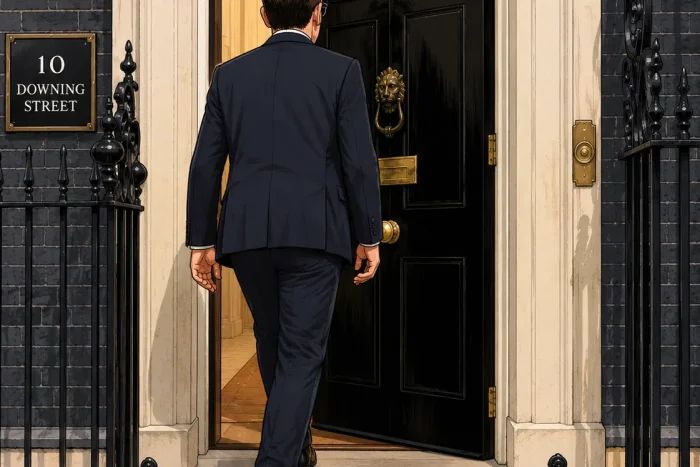
With Andy Burnham now odds-on to become the UK’s next Prime Minister, potentially as soon as 17 July, UK businesses are naturally wondering what a Burnham-led government might mean.
The reality is that most successful businesses know not to fixate on personalities in politics, as markets, clients and economic fundamentals matter far more than individual leaders. However, leadership styles and strongly held beliefs do influence priorities, and Burnham’s record offers some useful clues.
Throughout his time as Mayor of Greater Manchester, Burnham has consistently argued that economic growth is strongest when decision-making is pushed closer to communities and local economies. In addition, his advocacy for devolution and regional infrastructure investment has been driven by a belief that growth should be distributed more evenly beyond London and the South East.
For entrepreneurs and SME owners, this could translate into a greater emphasis on regional growth, local investment initiatives and skills programmes designed around the needs of employers. Businesses operating outside traditional economic centres may see particular opportunities if further powers and funding are devolved from Westminster.
Burnham has also generally presented himself as a pragmatic rather than ideological politician when it comes to economic growth. His comments about supporting small businesses, reviewing the impact of employer costs and reducing pressures on high streets suggest he recognises the role that private enterprise plays in creating jobs and driving prosperity.
From an M&A perspective, the most important factor is always confidence. Investors, lenders and acquirers focus on predictability, not politics. Any government that can provide a stable economic environment, encourage investment and maintain confidence in the UK’s economic prospects will create conditions in which businesses are willing and able to invest.
One interesting question surrounds democratic legitimacy. In opposition, Burnham has previously argued that when a governing party changes its leader, there should be a general election. More recently, however, he has indicated that he might not call an election were he to become Prime Minister. Whatever view is taken of this apparent change in position, it highlights a reality of politics: pragmatism often takes precedence over past opinions. Certainly, the scale of Labour’s parliamentary majority and the fact that more than three years remain until the next scheduled election could persuade him that avoiding the disruption of an immediate poll is the more practical course.
From a tax perspective, business owners might expect a Burnham government to look closely at how capital gains, corporate profits and wealth are taxed, particularly where there is a perception that the burden falls unevenly across society. However, any significant increase in business taxation would need to be balanced against the UK’s competitiveness and attractiveness to investors, something that has come under particular scrutiny so far during this Labour Government. For business owners considering a future exit, the treatment of Capital Gains Tax and Business Asset Disposal Relief will be watched carefully, as even relatively modest changes can materially affect transaction activity and valuations.
Despite the concerns expressed by some, Burnham’s political instincts appear more pro-business than parts of the Labour left. The greater risk for business owners may be less about hostility to enterprise and more about the fiscal realities he will inherit. These could place pressure on those reliefs and incentives that currently reward entrepreneurship. Business owners will therefore be paying close attention not only to corporation tax, but also to the treatment of capital gains, dividends and shareholder returns.
Ultimately, though, the biggest question is whether a Burnham government can create and maintain a stable environment that encourages investment, supports growth and provides enough certainty for long-term planning. In Greater Manchester, Burnham has spent years building support among the business community and encouraging business activity. If he can bring the same pragmatism to Downing Street, the impact on the economy could prove more positive than many currently expect.

For further information please contact James Wakefield via email at james.wakefield@leithma.co.uk or call 01306 272 200 in the strictest of confidence.